
Beeswax-Coated Paper Shopping Bags: A Sustainable Fashion or a Paradox of Overpackaging?
Beeswax-Coated Paper Shopping Bags: A Sustainable Fashion or a Paradox of Overpackaging?
Amid the wave of environmental protection, businesses are sparing no effort to integrate the concept of “sustainability” into every consumer touchpoint. Following the craze for eco-friendly coffee cups and straws, a product known as the beeswax-coated paper shopping bag has emerged quietly, sparking a new debate: is it a genuine solution, or just another marketing gimmick of greenwashing?
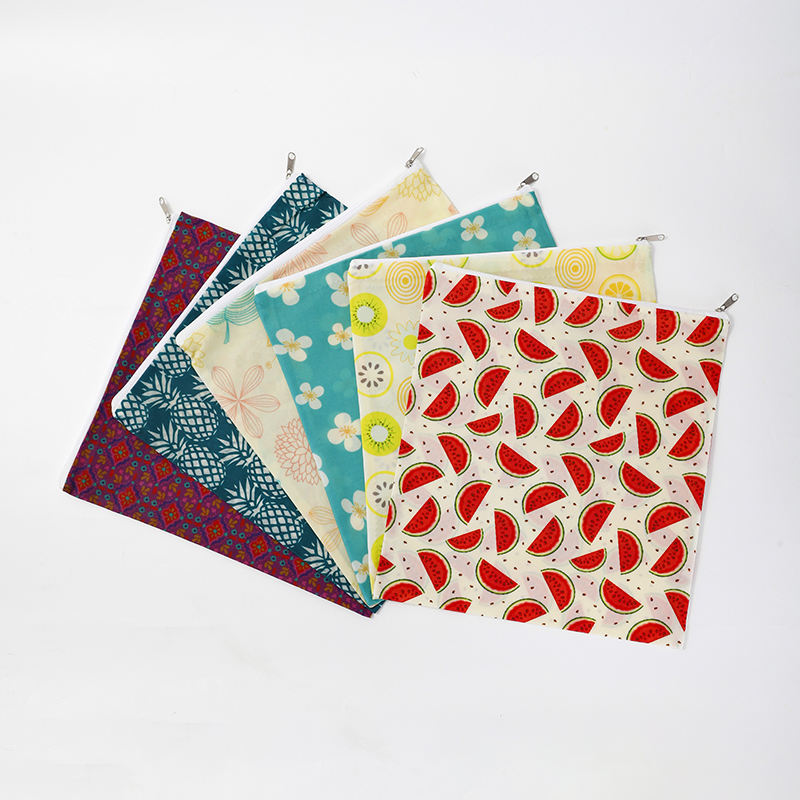
What is a beeswax-coated paper shopping bag?
Unlike household beeswax food wraps, its main body is typically made of thickened, multi-layer laminated high-strength paper or cardboard as the base, which is then coated or impregnated with a hybrid layer composed of beeswax, natural resins and vegetable oils. This gives it not only the stiffness and printability of paper, but also water-repellent, oil-resistant and tear-resistant properties, along with a unique natural luster and mild fragrance.
Two Sides of the Market: Advantages and Controversies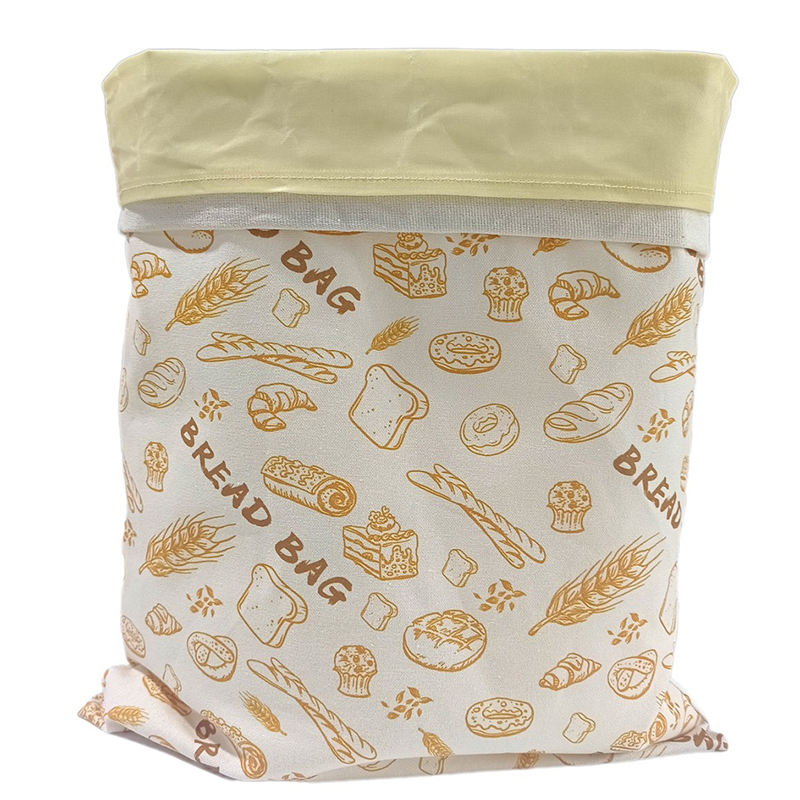
Supporters regard it as a sign of progress:
1. Brand image upgrade: For boutiques, farmers’ markets or high-end food brands, such bags are in themselves a warm-textured, high-end visual “silent business card”, greatly enhancing brand appeal and the unboxing experience.
2. Superior functionality: More durable than ordinary paper bags, they are less prone to breakage and leakage, especially when packaging produce with condensation or oily bread and pastries, achieving a combination of practicality and environmental friendliness.
3. Circular environmental value: Businesses claim they are fully compostable and biodegradable. After use, consumers can turn them into household compost or dispose of them with organic waste, avoiding the centuries-long pollution caused by plastic shopping bags.
Critics, however, have raised sharp questions:
1. Risk of overpackaging: The core contradiction lies in the fact that it is still a single-use or limited-use package. The most environmentally friendly approach is always to “generate no packaging”—bringing one’s own canvas bag or mesh bag. Does such exquisite packaging encourage unnecessary consumption?
2. Resource consumption: Producing high-strength paper bases requires wood, water and energy input. Does the sophisticated coating process consume more resources than manufacturing a cotton bag that can be reused hundreds of times?
3. Green premium and accessibility: Its cost is far higher than that of ordinary plastic and paper bags. Who ultimately bears this “environmental cost”? Is it passed on through higher product prices, or does it exclude certain consumer groups?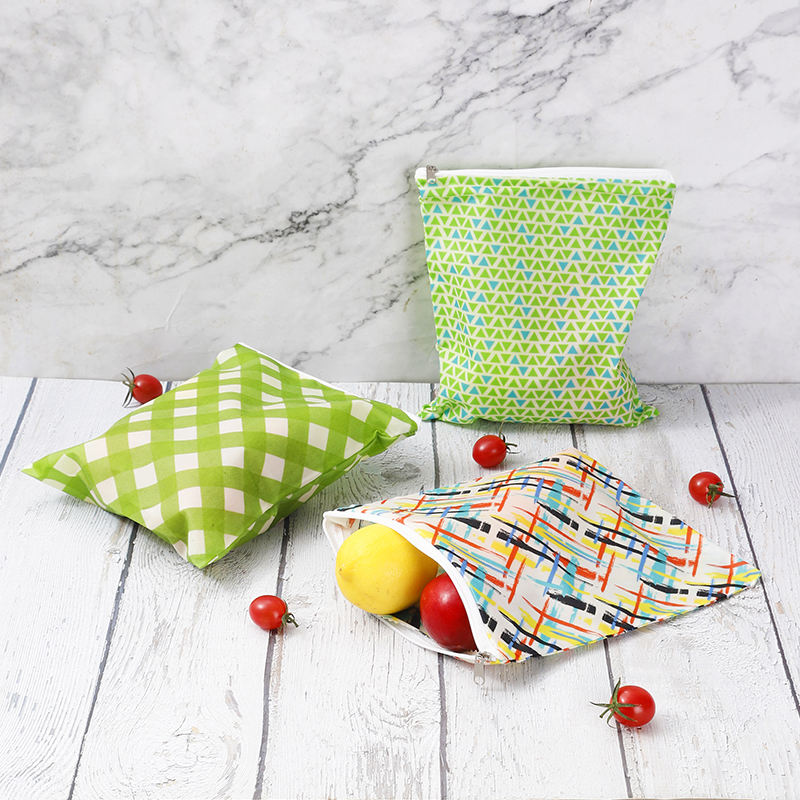
Conclusion
Beeswax-coated paper shopping bags may represent a valuable attempt by the packaging industry to shift to bio-based materials, especially for scenarios with specific functional requirements for packaging. Yet they are by no means the “ultimate answer” to the plastic crisis. For consumers, the most rational attitude is to appreciate their progress without overhyping them; to accept them as a better option in specific situations, while still taking “reuse” as the primary principle. True sustainability lies in systematic reduction, not simple material replacement.
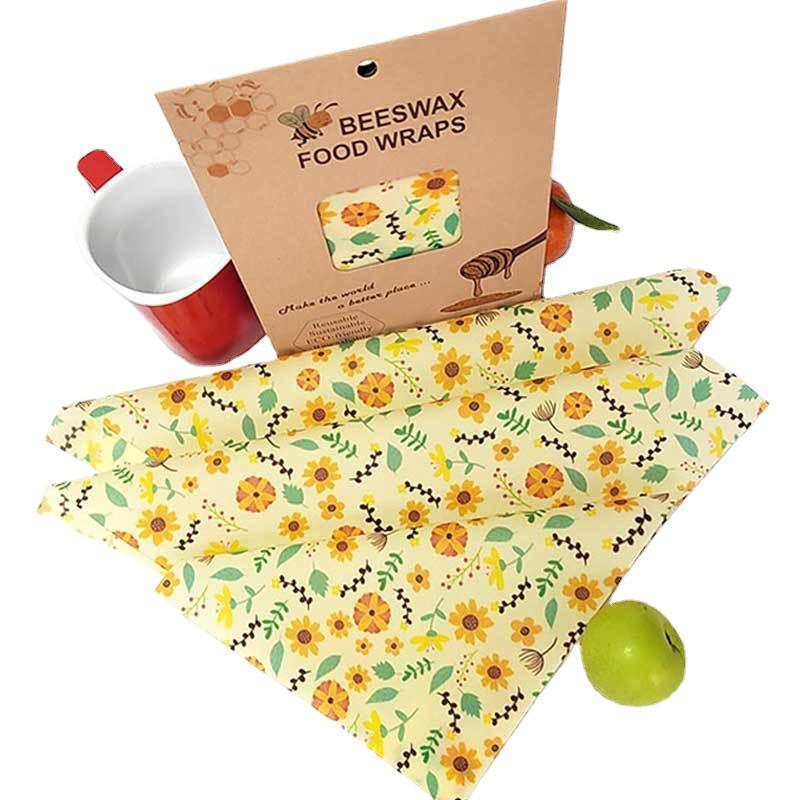 Beeswax Food Storage Products: A Natural Choice for Fresh Kitchen Preservation
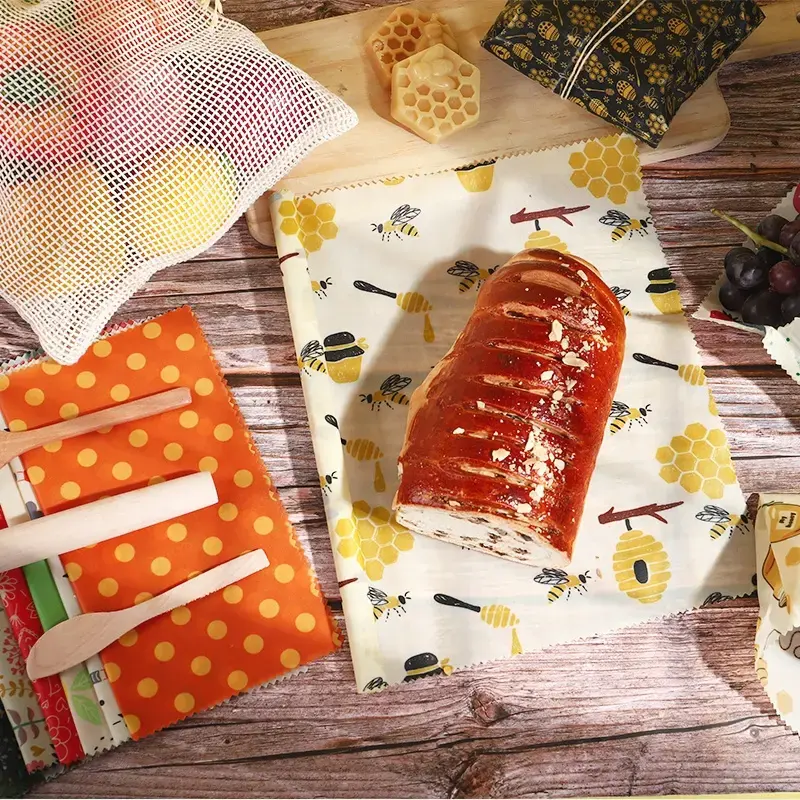 Beeswax Food Wraps: A Natural & Eco‑Friendly Solution for Food Preservation
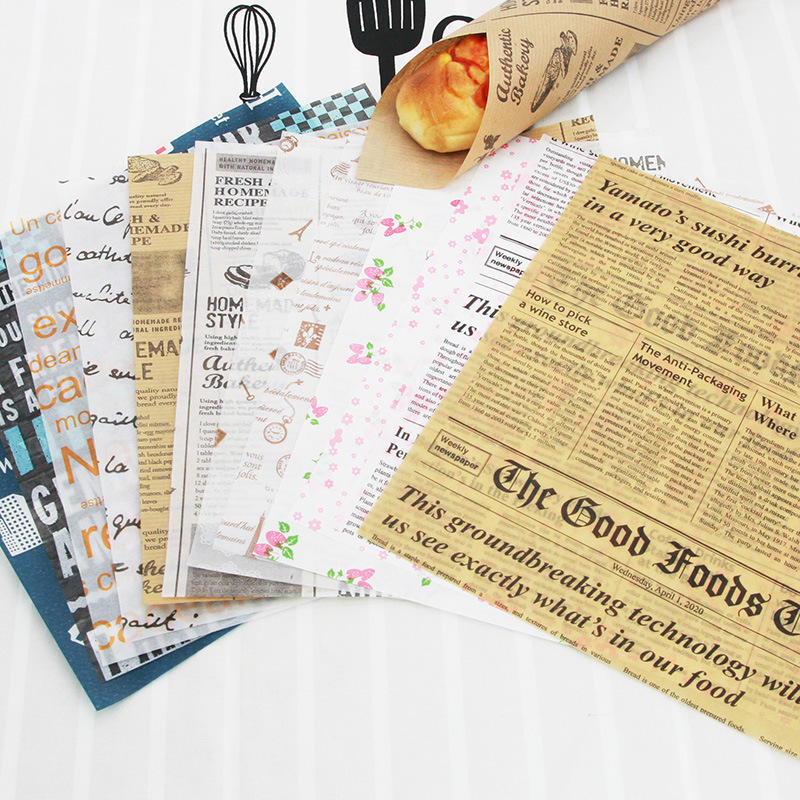 Say Goodbye to Plastic Bags! Beeswax Wraps Keep Food Fresh, Natural & Premium
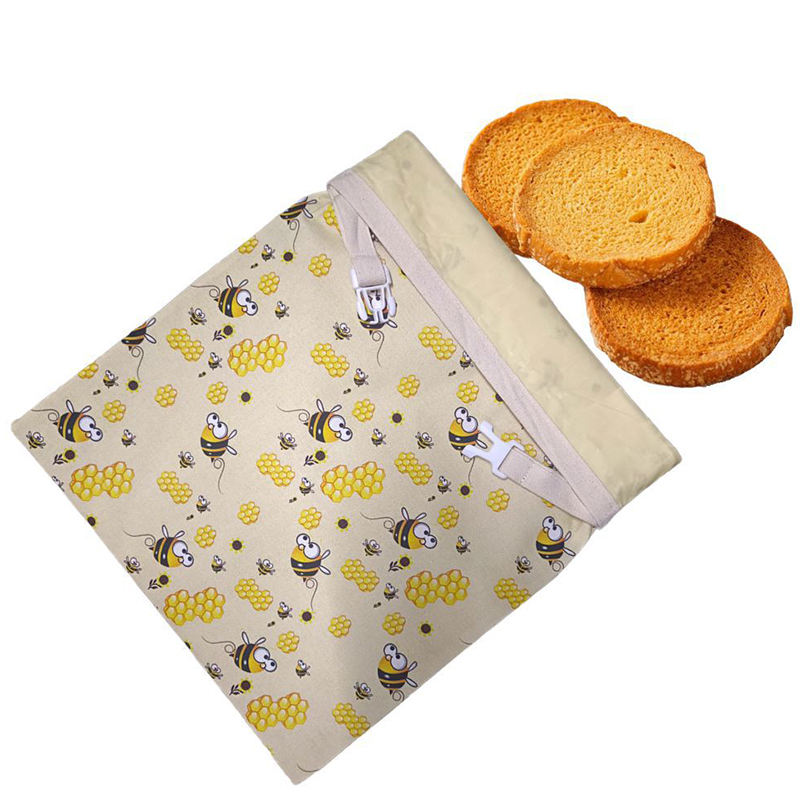 Beeswax Bags: A Green Packaging Trend — Bringing Reusable & Natural Freshness to Every Home