
Beeswax Wraps An Eco-Friendly Food Preservation Tool
Beeswax Wraps: An Eco-Friendly Food Preservation Tool
Beeswax wraps are an eco-friendly food preservation tool made from cotton cloth coated with natural beeswax. This article comprehensively introduces the definition, working principles, development history, application scenarios, and technical characteristics of beeswax wraps. It objectively analyzes their advantages and limitations and explores the current industry status and development trends.
1. Definition and Classification of Beeswax Wraps
Beeswax wraps are food preservation materials made by impregnating natural cotton cloth with organic beeswax, tree wax, coconut oil, or other natural ingredients. Their primary functions include maintaining food freshness in refrigerated environments, reducing moisture loss and external contamination, while also being fordable and washable.
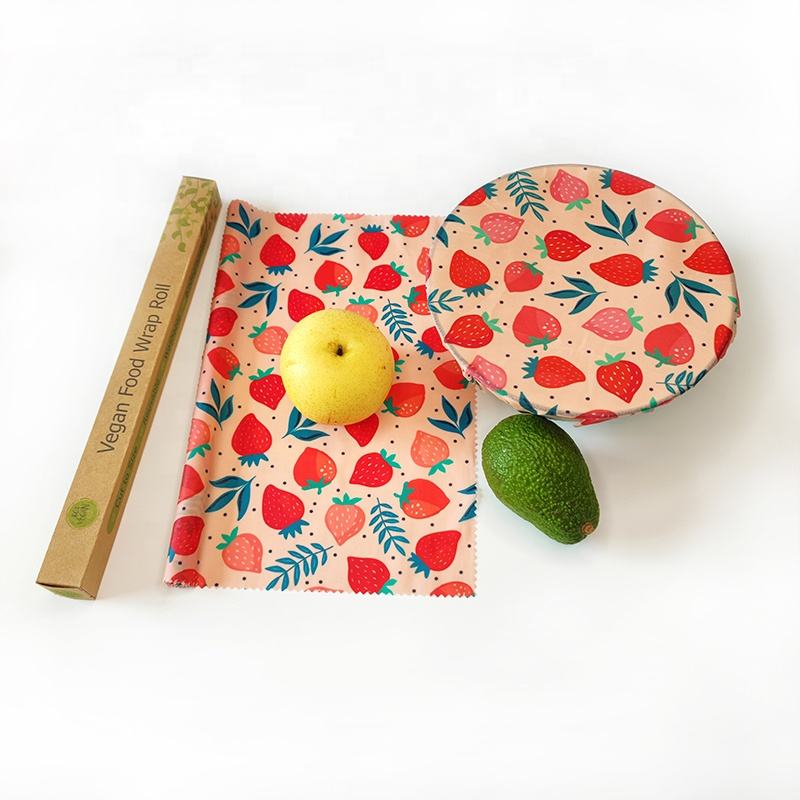
Beeswax wraps are mainly used for storing and preserving fresh ingredients such as fruits, vegetables, and bread, and can also serve as an alternative to lunch boxes or bento boxes. Based on specific needs, common types of beeswax wraps available on the market include:
Standard-sized beeswax wraps made of pure cotton;
Small-sized wraps for packaging small items (e.g., nuts);
Sealed pouch-style beeswax wraps with zipper designs;
Specialized beeswax wraps designed for specific uses (e.g., meat).
2. Working Principles and Technical Mechanisms of Beeswax Wraps
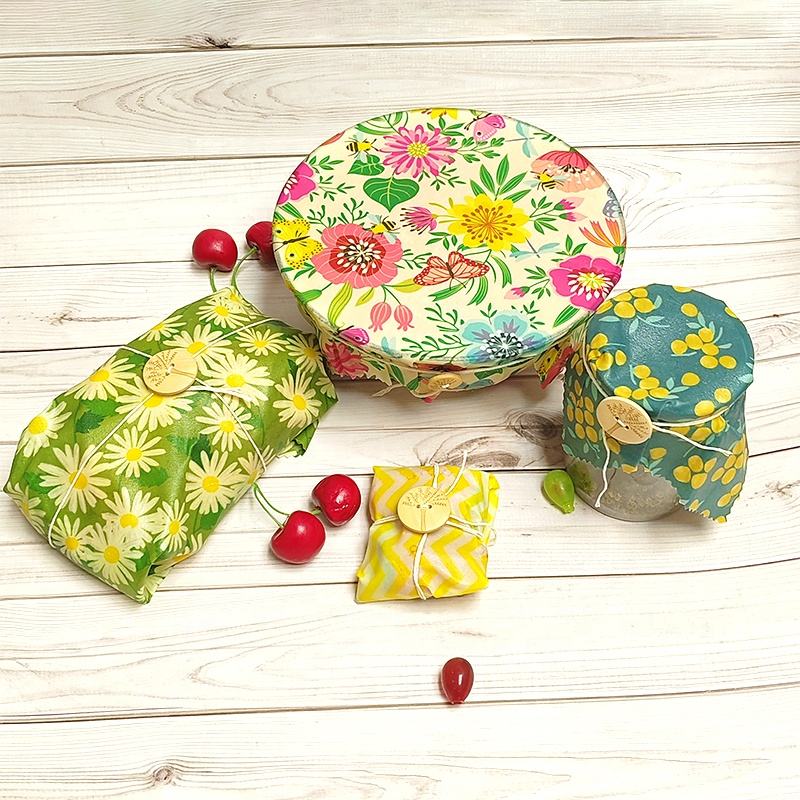
Beeswax wraps preserve food by leveraging the properties and physical structure of beeswax. The tightly arranged molecules of beeswax form a waterproof barrier, preventing external moisture from entering while maintaining internal humidity balance. This characteristic ensures that beeswax wraps neither dry out food nor allow it to become moldy.
Specifically, the working principles of beeswax wraps are as follows:
Waterproofness: The lipid layer formed by beeswax effectively blocks moisture in the air from entering the packaged items.
Breathability: Moderate breath-ability ensures that food can still undergo necessary gas exchange during storage, preventing the growth of bacteria in anaerobic environments.
Antibacterial Properties: Natural beeswax contains antibacterial components that help inhibit microbial growth.
Adhesion: Some formulations include plant essential oils or frankincense to enhance the adhesion between the beeswax wrap and surfaces, facilitating repeated use.
3. Development History and Current Status of Beeswax Wraps
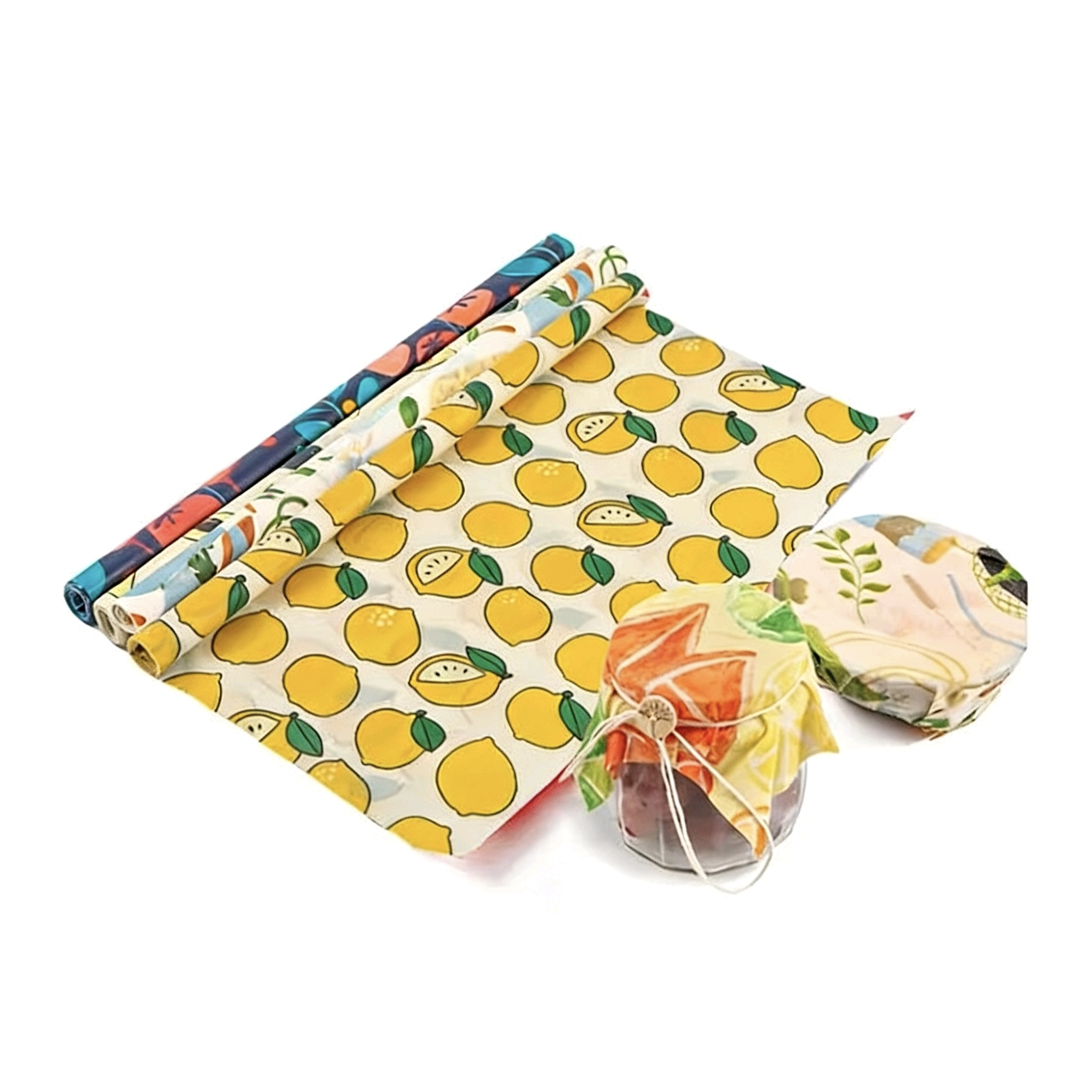
Beeswax wraps originated from ancient food preservation traditions, dating back to medieval Europe, where people discovered that honey coatings could extend the freshness of certain foods. Modern beeswax wraps began to gain popularity in the early 21st century, becoming a preferred alternative to food packaging for environmentalists.
In recent years, with increasing consumer attention to sustainability, the demand for beeswax wraps has grown rapidly. Currently, numerous brands and product lines have emerged in the market.
4. Application Scenarios of Beeswax Wraps
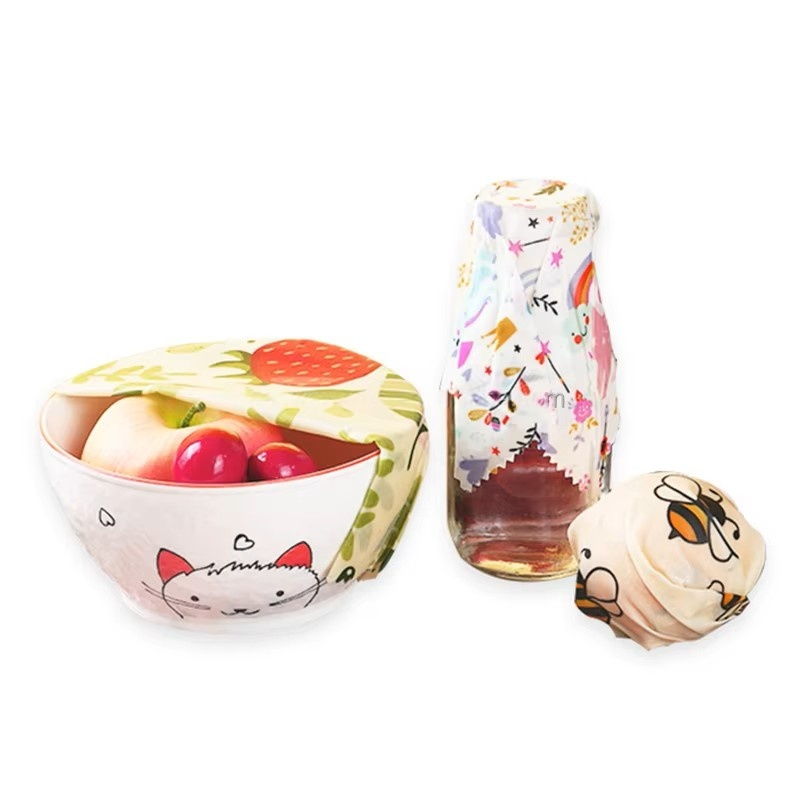
Due to their eco-friendly nature, beeswax wraps are widely used in various daily life scenarios. Some typical application scenarios include:
Fresh Food Preservation: Suitable for storing perishable foods such as fruits, vegetables, and bread. Compared to traditional plastic wrap, beeswax wraps do not cause secondary pollution.
Picnics and Travel: Lightweight and portable, making them ideal for outdoor activities.
Baking: Can replace disposable baking paper or non-stick spray, protecting oven surfaces.
DIY Crafts: Suitable for individuals who enjoy handmade crafts.
5. Technical Characteristics, Advantages of Beeswax Wraps
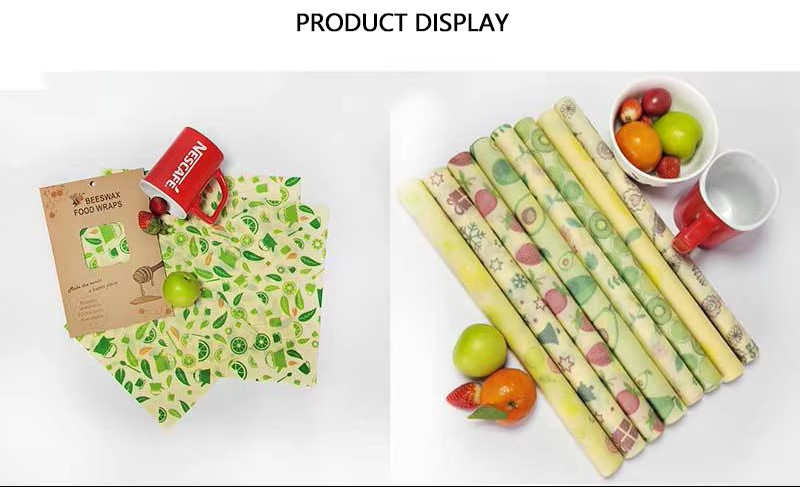
The main advantages of beeswax wraps include:
Eco-Friendly and Pollution-Free: Made from natural raw materials, they are fully biodegradable.
High Re-usability: With proper care, they can last for months or even years.
Easy to Clean: Dirt can be easily removed by rinsing with water and air-drying for continued use.
Versatility: Beyond preservation, they can also serve as heat-resistant mats or tablecloths.
In summary, beeswax wraps are a novel food packaging material that combines practicality and environmental sustainability.
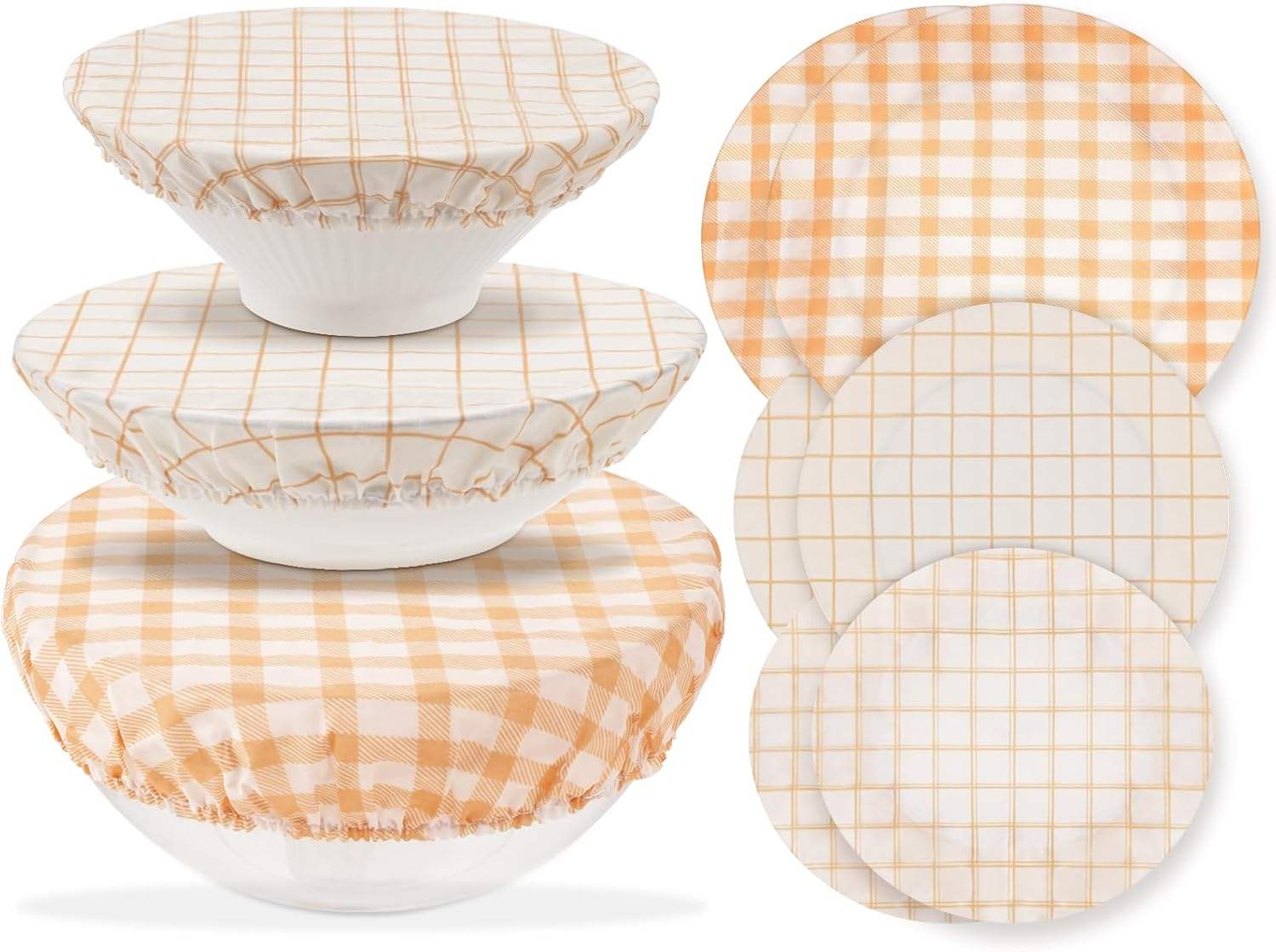
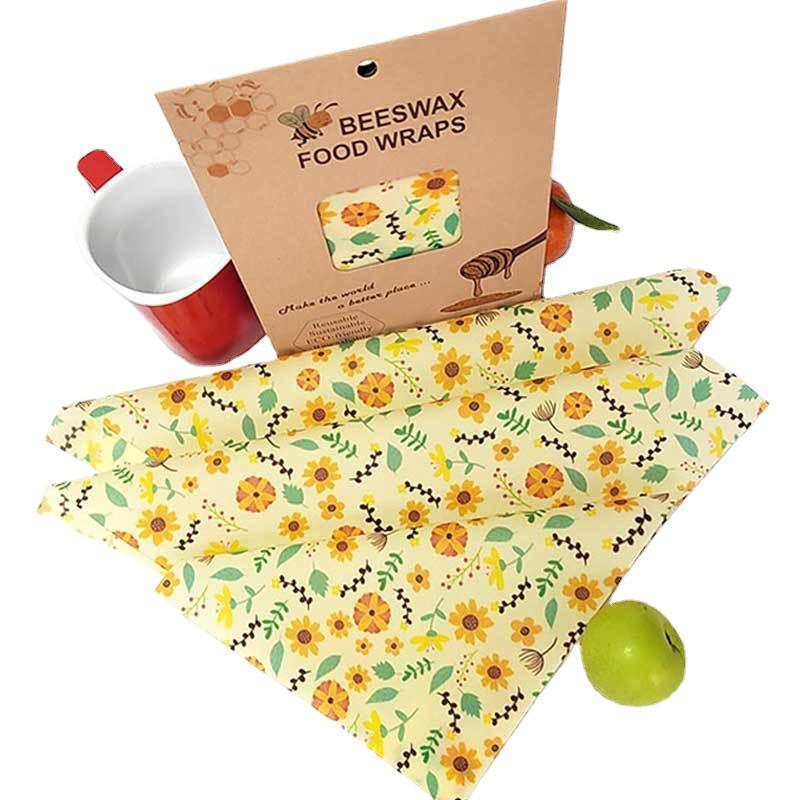 Beeswax Food Storage Products: A Natural Choice for Fresh Kitchen Preservation
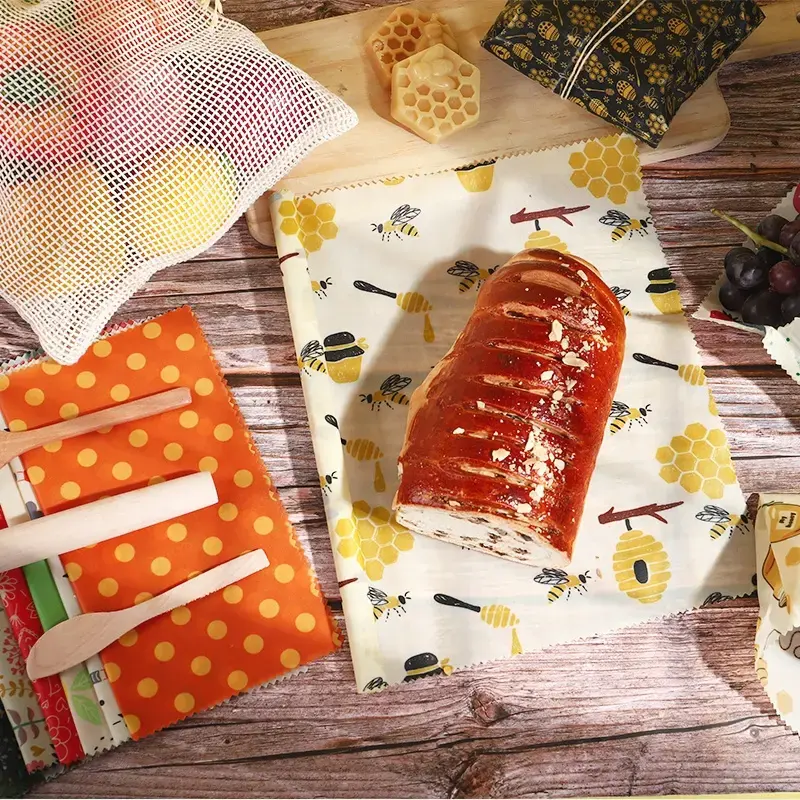 Beeswax Food Wraps: A Natural & Eco‑Friendly Solution for Food Preservation
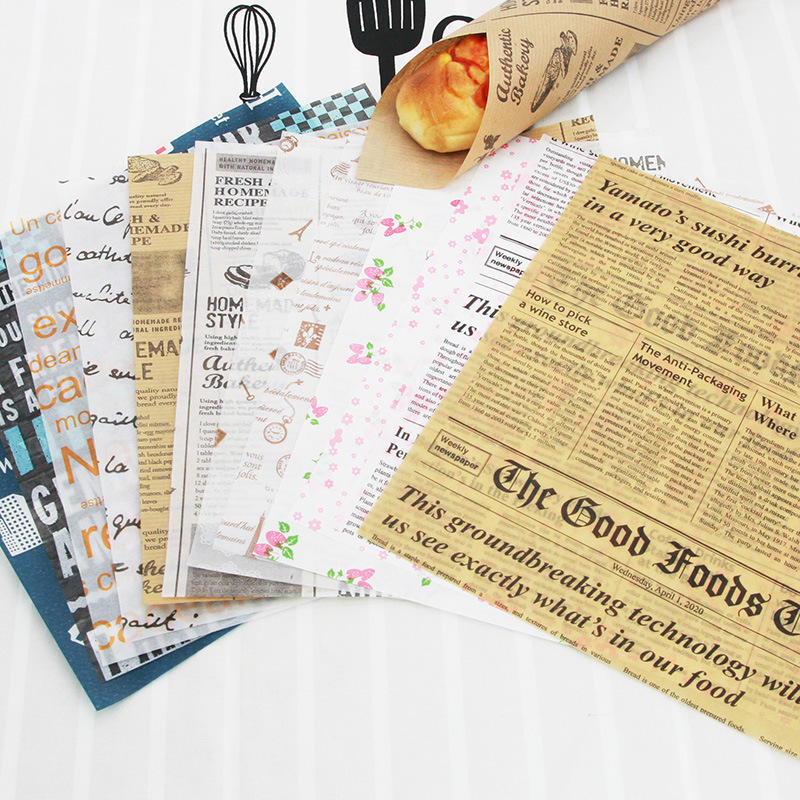 Say Goodbye to Plastic Bags! Beeswax Wraps Keep Food Fresh, Natural & Premium
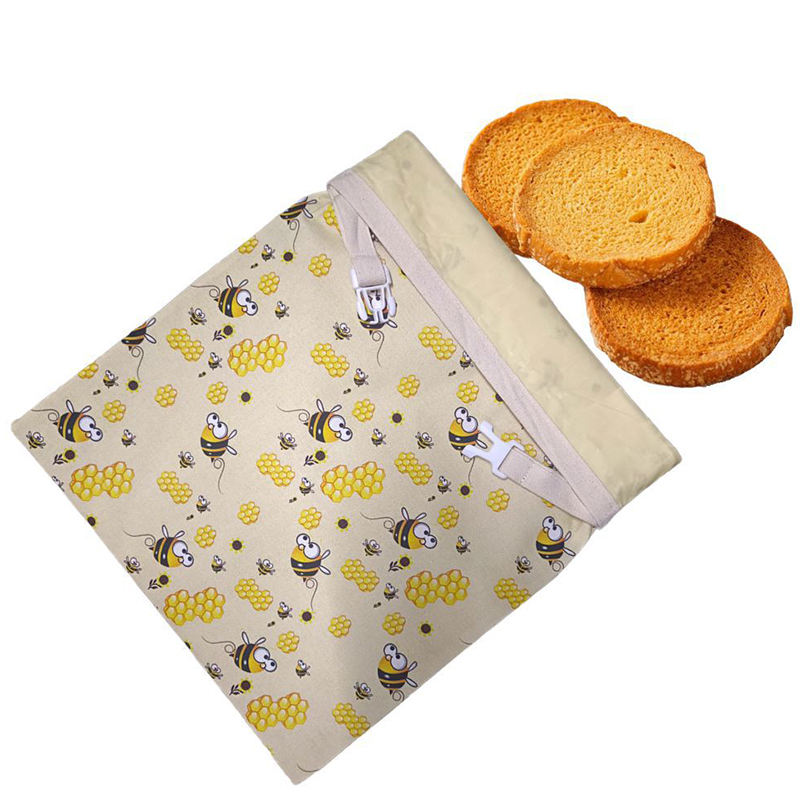 Beeswax Bags: A Green Packaging Trend — Bringing Reusable & Natural Freshness to Every Home