
Beeswax Wraps: Say Goodbye to Disposable Plastics and Usher in a New Era of Zero-Waste Food Preservation
Amid the global wave of plastic reduction sweeping the food packaging industry, an innovative product that combines practicality and environmental protection—beeswax wraps—has quietly gained popularity in the market. Unlike traditional industrial packaging with beeswax coating, beeswax wraps, featuring “reusable and zero-pollution residue” as their core highlights, have become an ideal choice for families and small food businesses to replace plastic cling film and bags, redefining the green model of daily food preservation .
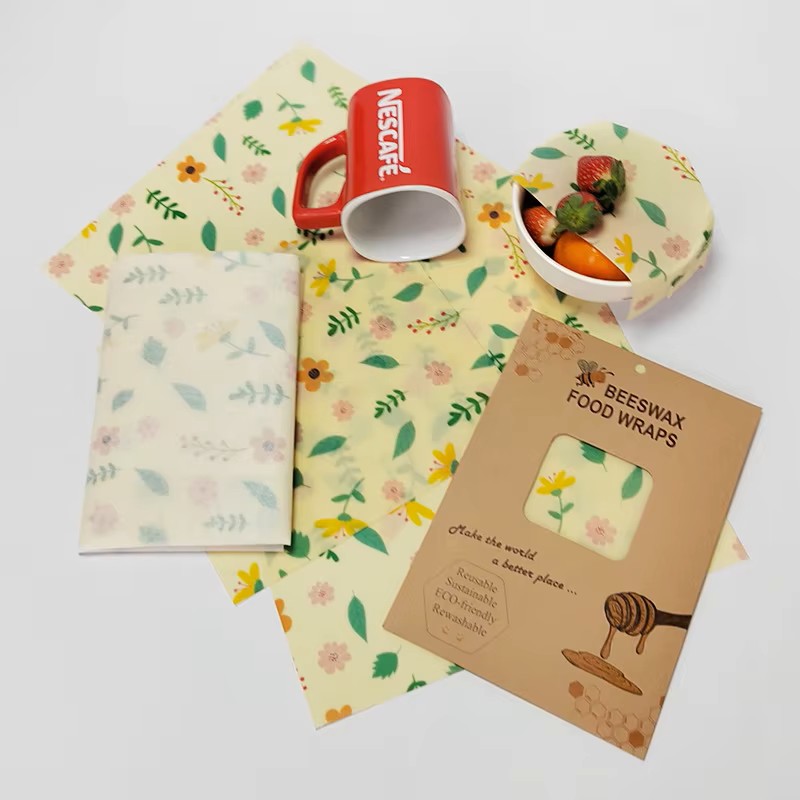
Crafted with Natural Processes, Combining Safety and Toughness
The production process of beeswax wraps focuses on “minimalism and nature”. The core raw materials only include beeswax, organic cotton and linen fabrics, and natural resins (such as rosin), with no chemical additives throughout the process. After the high-temperature melted beeswax and resin evenly soak the cotton and linen base, they cool and form, endowing the wraps with unique stickiness and toughness: a gentle pinch allows them to tightly adhere to bowl mouths and the surfaces of fruits and vegetables, achieving sealed preservation through natural stickiness; the dense protective film formed by the beeswax component can effectively isolate air and moisture, slow down the oxidation and deterioration of food ingredients, and the preservation effect is comparable to that of traditional plastic cling film.
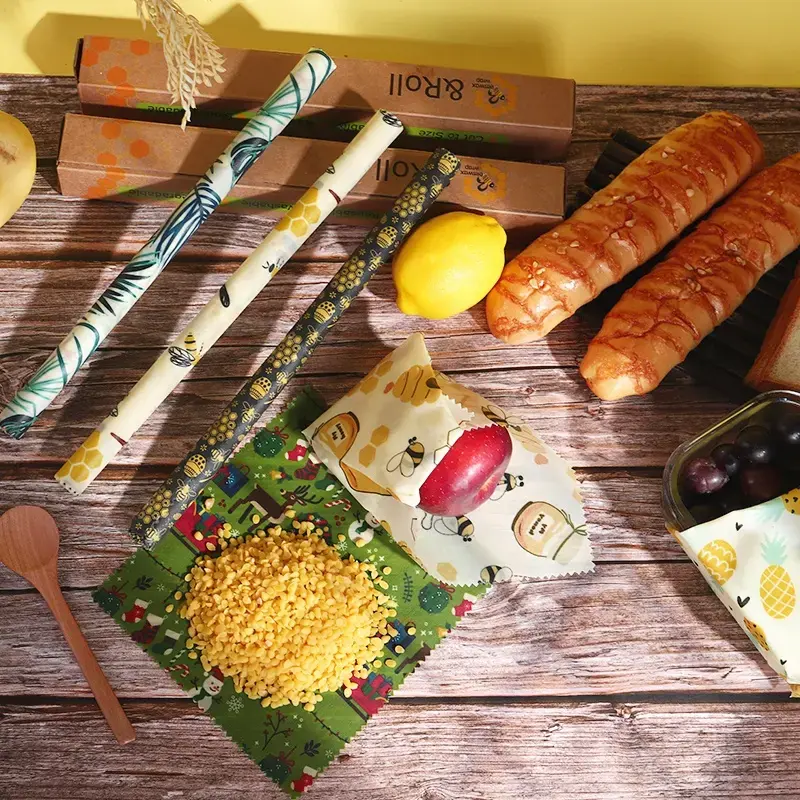
What’s more noteworthy is that the safety of beeswax wraps has been verified by the market. Unlike the drawback of plastic cling film that tends to release harmful substances when heated, beeswax wraps can directly wrap ready-to-eat foods such as sandwiches, cheese, and fruits, and can even withstand low-temperature heating below 40°C for a short time, fully complying with the safety standards for food contact materials, making them particularly suitable for infants, pregnant women, and health-conscious eaters.
Multi-Purpose, Unlocking New “Zero-Waste” Preservation Methods
The advantages of beeswax wraps go far beyond “replacing plastic”. Their reusable, biodegradable, and customizable characteristics make them a must-have item for a “zero-waste life” .
- Daily Household Scenarios: Wrap leftover meals, fresh fruits and vegetables, replace plastic bags for storing grains and dried goods, and even wrap bread and pastries to prevent moisture loss and flavor mixing. When soiled, simply wash with cold water and a small amount of neutral detergent, then air-dry for reuse. A single beeswax wrap can last for more than half a year.
- Small Business Scenarios: Businesses such as bakeries, farm markets, and handcrafted dessert shops use beeswax wraps to package freshly baked bread, freshly picked fruits and vegetables, and handcrafted candies. This not only reduces the cost of disposable packaging but also attracts quality-oriented consumers with “eco-friendly packaging” as a selling point, enhancing the brand’s differentiated competitiveness.
- Creative Expansion Scenarios: Designers have also launched printed beeswax wraps and sets of different sizes to meet personalized storage needs. Some brands combine beeswax wraps with beeswax cloth to make foldable food storage bags, further expanding the application boundaries.
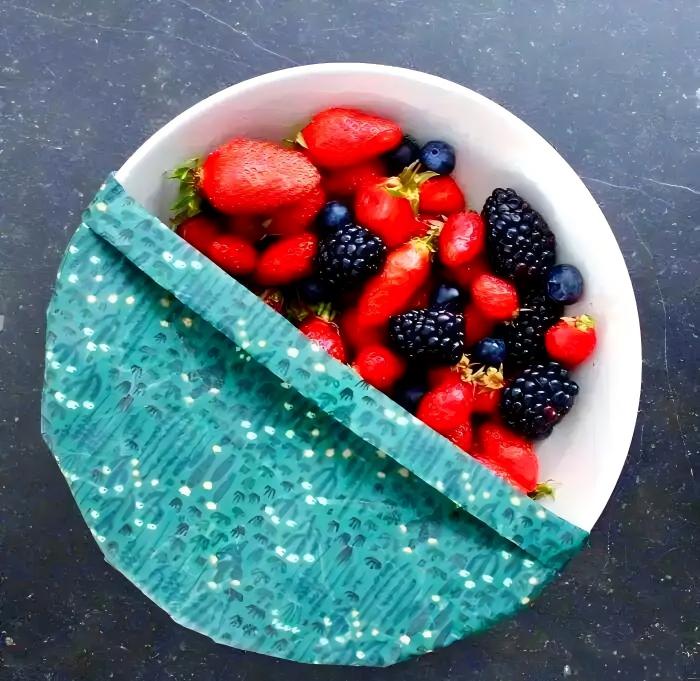
Market Potential Highlighted, Beeswax Wraps Lead New Trends in Freshness Preservation Packaging
With the awakening of consumers’ environmental awareness, “reusability” has become a new track in food packaging. Beeswax wraps, with their affordable prices and convenient user experience, are gradually breaking the stereotype that “eco-friendly products = expensive and inconvenient”.
In terms of market data, the sales volume of beeswax wraps in Europe and the United States has grown by over 30% annually, and products launched by niche eco-friendly brands in China have often sold out. Behind this is not only consumers’ pursuit of a healthy lifestyle but also the continuous promotion of the “plastic restriction order” at the policy level. Compared with industrial beeswax packaging, beeswax wraps are closer to the end consumer market, accurately meeting the plastic reduction needs of families and small businesses.
Industry insiders point out that the future development direction of beeswax wraps will focus on performance improvement and cost optimization: improving heat resistance and antibacterial properties through formula modification to expand applications to more scenarios such as microwave heating, refrigeration, and freezing; reducing prices through large-scale production to allow more consumers to enjoy the convenience of “zero-waste” preservation. It is foreseeable that beeswax wraps will no longer be an “exclusive item” for niche environmental enthusiasts but will become a daily necessity in every household.
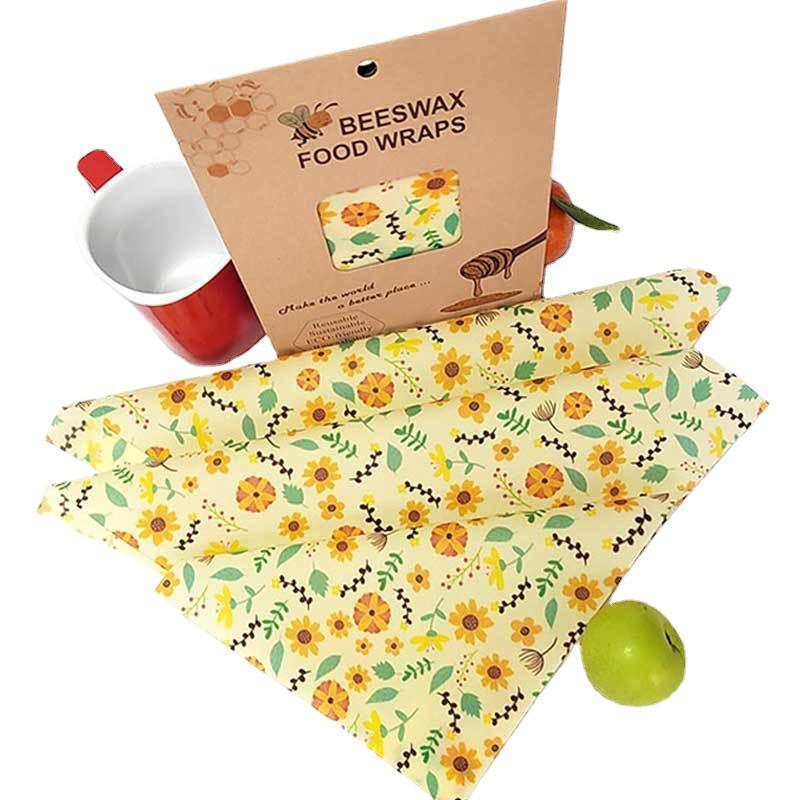 Beeswax Food Storage Products: A Natural Choice for Fresh Kitchen Preservation
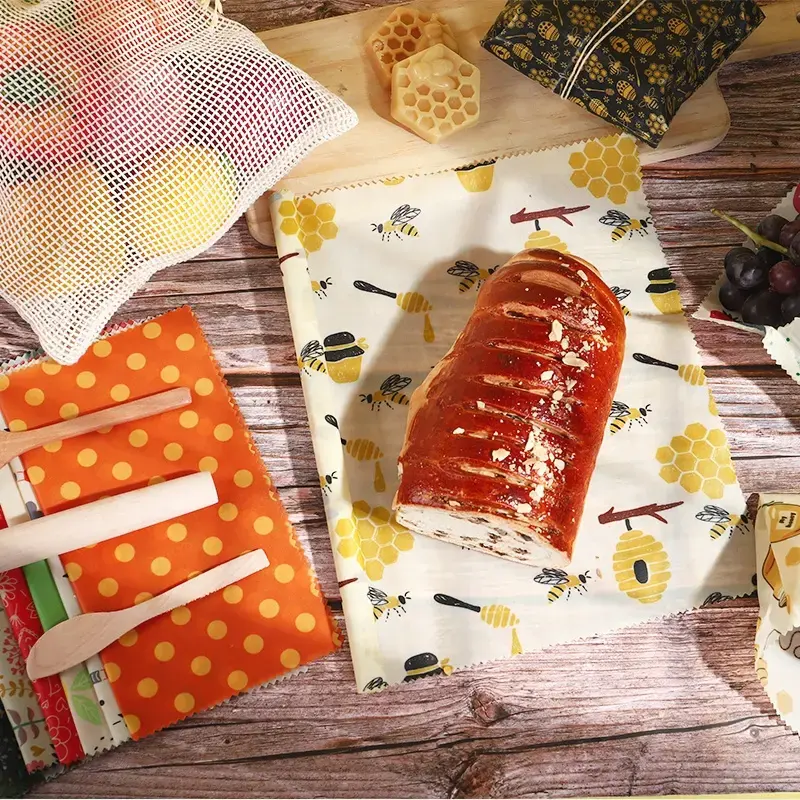 Beeswax Food Wraps: A Natural & Eco‑Friendly Solution for Food Preservation
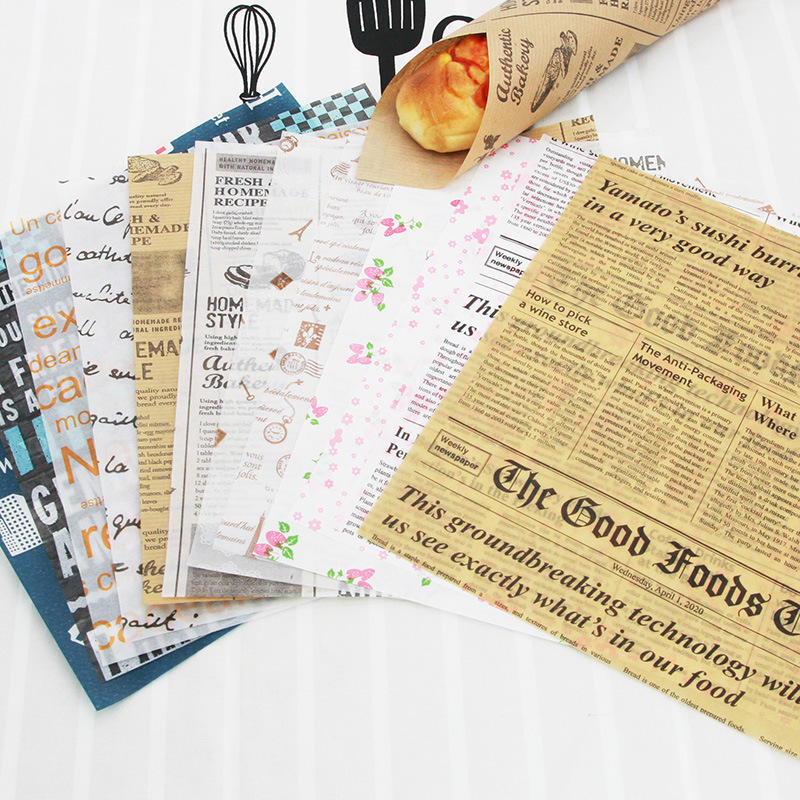 Say Goodbye to Plastic Bags! Beeswax Wraps Keep Food Fresh, Natural & Premium
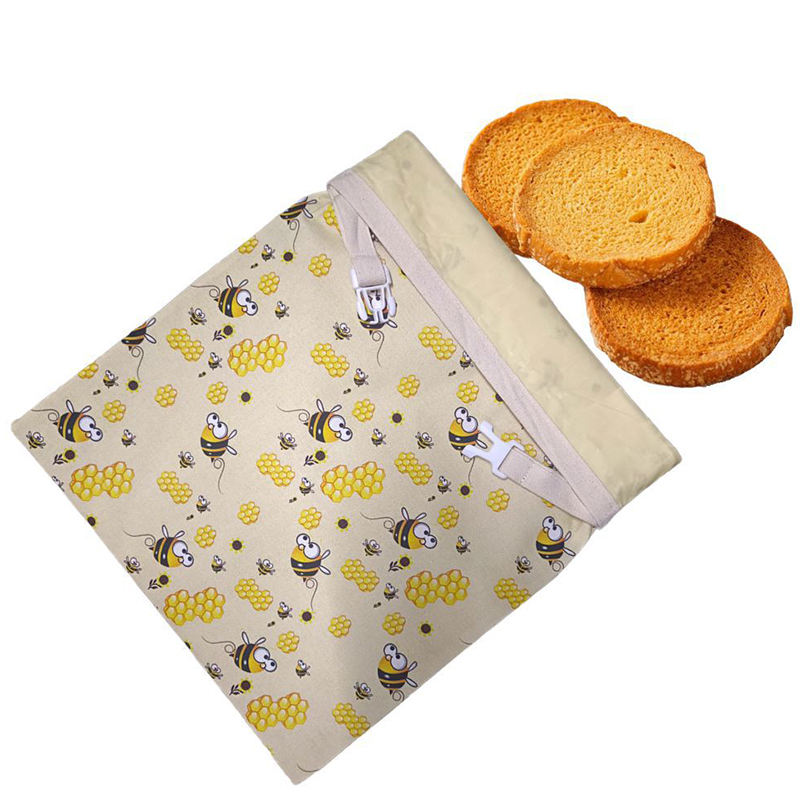 Beeswax Bags: A Green Packaging Trend — Bringing Reusable & Natural Freshness to Every Home